District stories · Urban spaces
A new perspective on vacant storefronts
The way we shop is changing, and so are the streets around us.
Online shopping has become an increasingly significant part of New Zealand's retail landscape. In 2025, online spending grew by 10%, compared with just 2% growth in physical stores.
Combined with economic pressures and changing consumer habits, this shift is reshaping the role of traditional retail spaces.
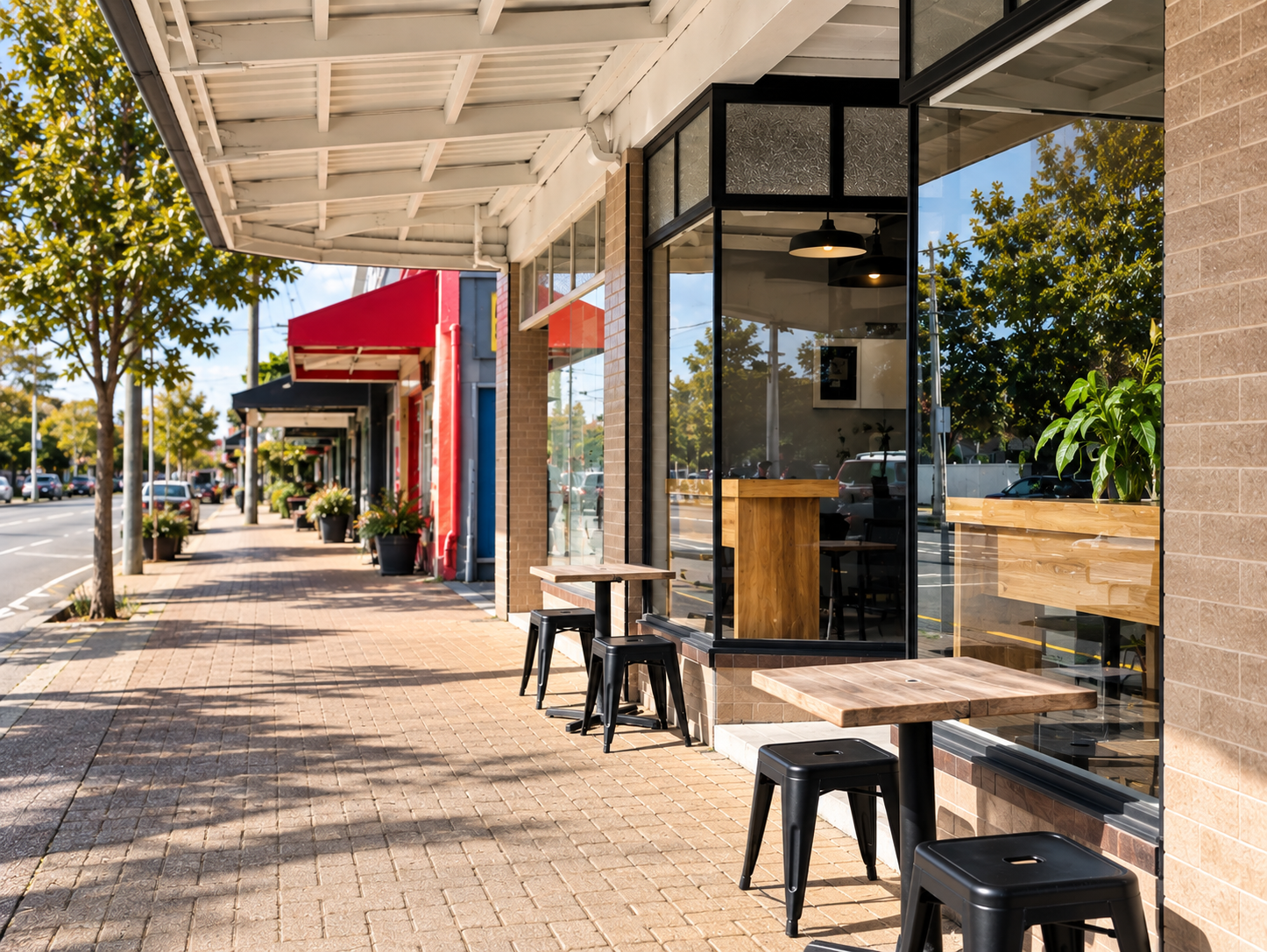
For our cities and town centres, the effects are visible. Empty shopfronts, vacant windows and spaces awaiting their next tenant have become a familiar part of the urban landscape.
In Wellington, for example, CBD retail vacancy reached 9.8% in December 2025, reflecting the continued pressures facing retailers and property owners.
A vacant storefront doesn't have to mean an inactive one.
The impact of an empty storefront
A vibrant street is about more than the businesses operating within it. It's the combination of people, activity, movement and visual interest that makes a place somewhere people want to spend time.
When a shop closes, its impact can extend beyond the individual property. An empty window interrupts the streetscape. A row of vacant premises can make an otherwise active commercial area feel less inviting.
For property owners, an extended vacancy also means a valuable asset is sitting underutilised while they search for the right tenant.
The challenge is finding ways to keep these spaces active and commercially productive without compromising their primary purpose.
Finding value in the space between tenants
Vacant retail properties offer something that remains valuable regardless of whether a business is operating inside them: a physical presence in an established location.
Their windows face the streets people walk through every day. They occupy positions within shopping precincts, neighbourhood centres and busy commercial areas.
These spaces have the potential to do more while they await their next tenant.
Temporary installations, creative activations and physical advertising can introduce new activity to otherwise empty frontages, providing opportunities for property owners and businesses while contributing to a more engaging streetscape.
The opportunity isn't to replace traditional retail. It's to make better use of the spaces between tenants.
Making more of the spaces we have
The future of our cities will be shaped by how we respond to changing patterns of retail, work and everyday life.
As online commerce continues to grow, the role of physical retail spaces will continue to evolve alongside it. That creates an opportunity to think differently about how existing properties can be used.
A vacant storefront may be waiting for its next tenant, but its value to the street doesn't have to wait.
Sometimes, a new perspective is all it takes to see the potential in what's already there.