District stories · Arts & culture
Who owns the streets?
Making room for the creative communities that give our cities character.
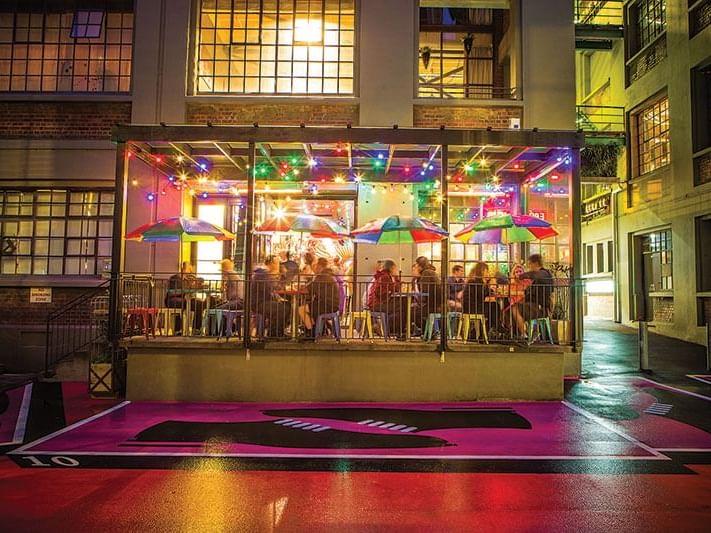
Gig posters, exhibition announcements and community event notices are part of the visual culture of a city. Often created on modest budgets, they tell us what's happening in our neighbourhoods, introduce us to emerging talent and give our streets a sense of character.
They are small but important reminders that our cities are places for culture, creativity and connection.
Yet the artists and independent event organisers behind them face an increasingly difficult challenge: getting their work seen.
Larger national brands have the budgets to invest in high-impact physical advertising campaigns, securing prominent locations and reaching audiences at scale. For independent creatives and community events, those same opportunities can be financially out of reach.
Meanwhile, putting posters on public infrastructure is often restricted by local council bylaws, limiting the places where independent events can promote themselves.
Who gets to own our streets, and how do we make room for the creative communities that give them character?
The value of being seen
For independent artists and event organisers, visibility is essential.
A successful exhibition, live performance or community event depends on reaching an audience. Yet marketing budgets are often limited, and competing for attention online presents its own challenges.
Physical advertising offers something different. A poster in a local shop window or on a neighbourhood street connects an event with the people who live, work and spend time nearby.
It's a simple way to introduce new audiences to the creative experiences happening around them.
But when these opportunities become inaccessible, the consequences extend beyond an individual artist or event.
Fewer people discovering a local gig can mean fewer tickets sold, less revenue for independent venues and fewer opportunities for emerging performers. The same applies to exhibitions, theatre productions and community events that rely on local audiences to remain viable.
Over time, these pressures can make it harder for independent creative communities to sustain themselves, and our cities risk losing some of the experiences that make them interesting places to live.
Making room for culture
We talk about wanting vibrant cities, thriving town centres and stronger local communities. The arts and independent events are an important part of making that happen.
But supporting our creative communities requires more than celebrating the experiences they create. It means considering the practical barriers they face.
Councils invest in public spaces, events and cultural initiatives. Making physical advertising more accessible to independent creatives could be another practical part of that support.
Designated community poster sites, temporary use of vacant shopfronts and partnerships with local property owners could create more opportunities for emerging artists and event organisers to reach new audiences.
These initiatives don't need to involve significant investment or compromise the appearance of our streets. They can make better use of existing spaces while giving local culture a more visible presence in the neighbourhoods it serves.
Our streets have a commercial purpose, but they also have a cultural one. Making room for both creates opportunities for businesses, artists and communities to contribute to the character of the places we share.
We invest in making our cities attractive places to visit. We also need to invest in the people who give us a reason to visit them.